
Marketing Level Plan
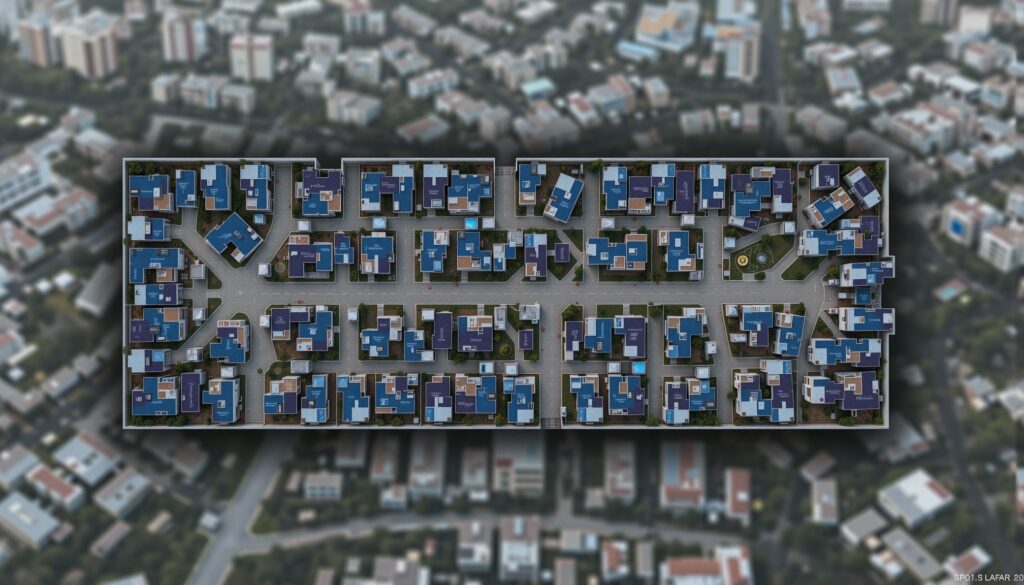
Attractive visualizations of entire building floors or levels for promotional purposes. These plans typically showcase the layout of multiple units or spaces within a larger structure.
Historical Reconstruction
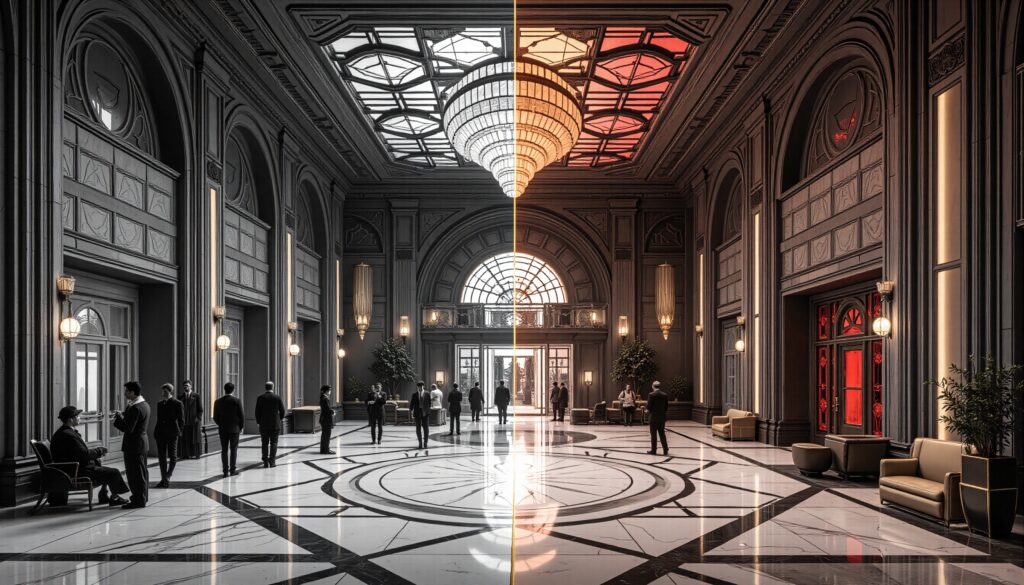
Digital recreations of historical buildings or cities based on archaeological and historical data. These visualizations bring past architectural styles and urban layouts to life.
Exterior
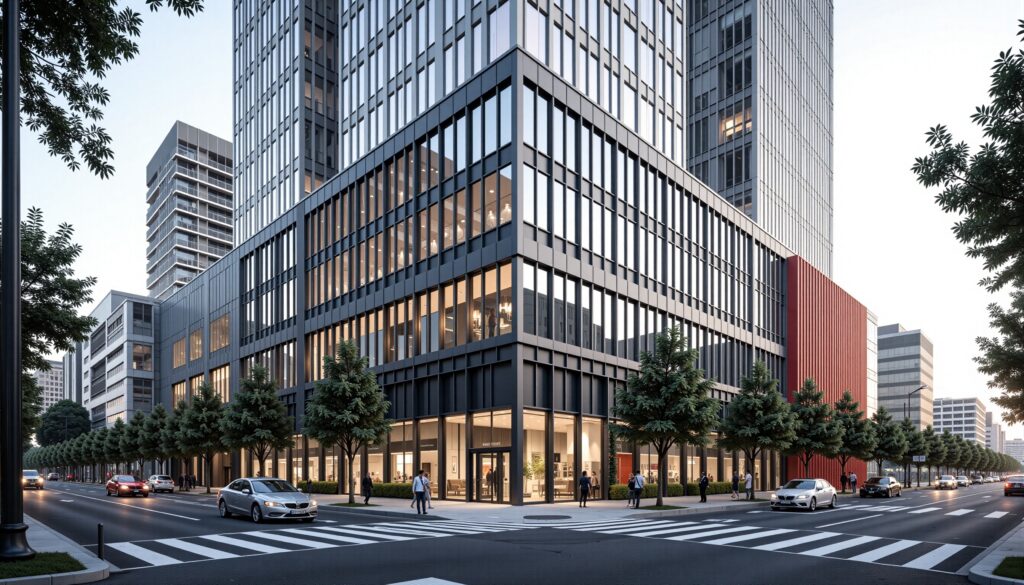
Images or renderings focusing on the outside appearance of buildings or structures. Exterior visuals showcase architectural design materials and how a building interacts with its surroundings.
Drone Photography
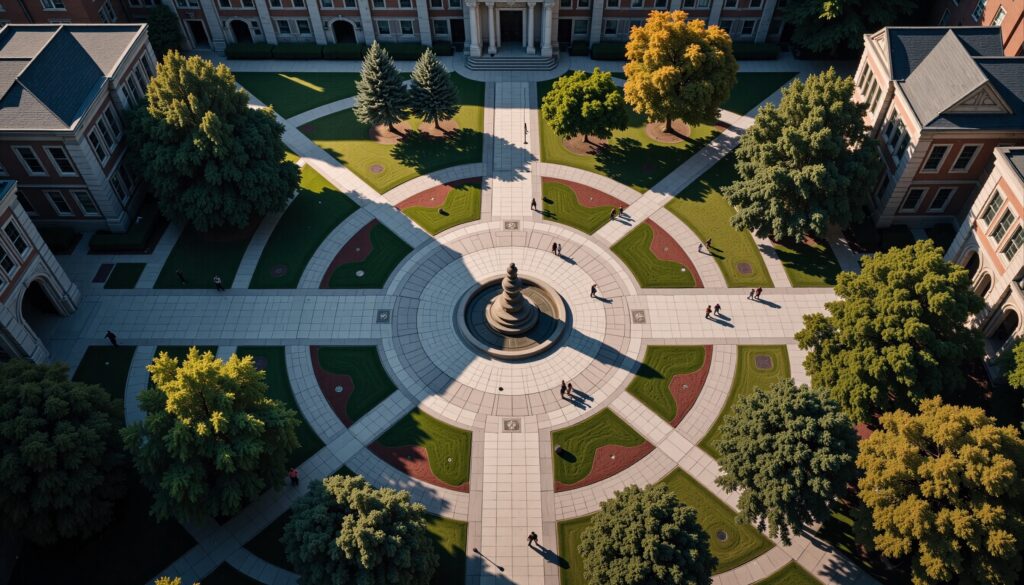
Lower-altitude still images captured by unmanned aerial vehicles (drones) offering more detailed views of specific sites or buildings. Drone photography provides unique perspectives and access to hard-to-reach areas.
Photorealistic Rendering
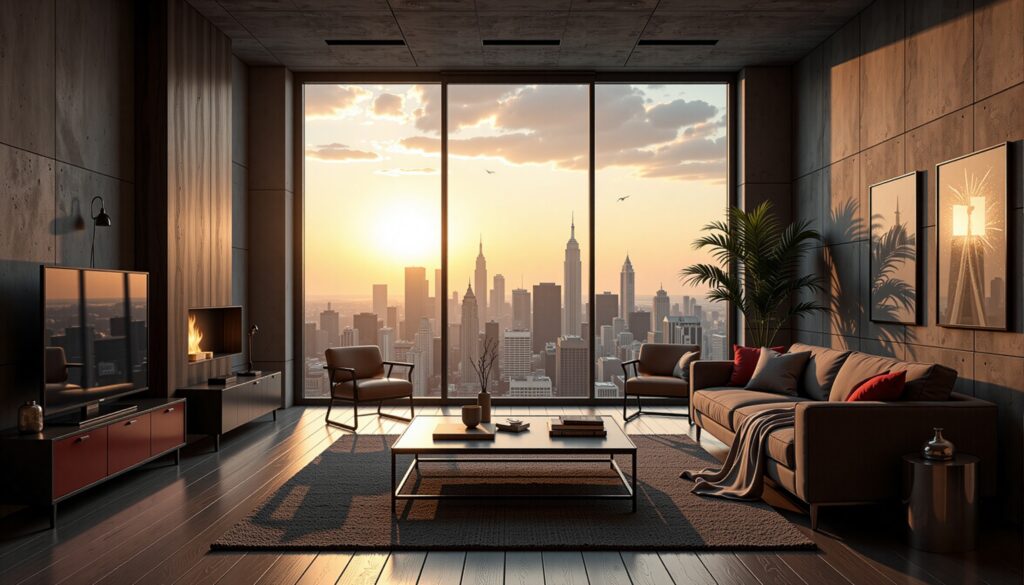
Ultra-realistic architectural visualizations where AI fills in complex details like realistic lighting materials and environmental elements to create near-photographic quality images.
Adaptive Reuse Illustrations
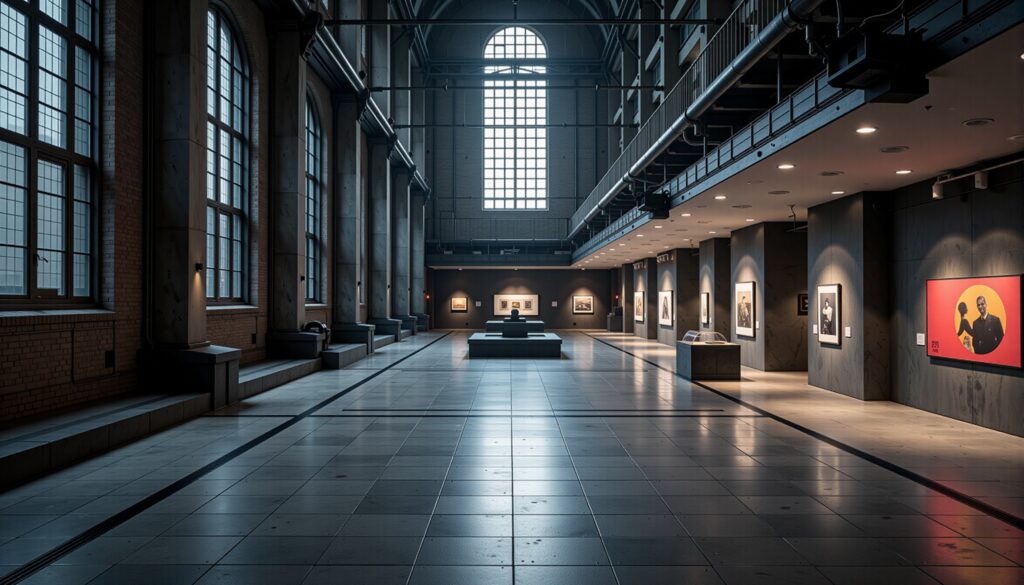
Before-and-after visualizations showing the transformation of existing structures for new purposes. These images highlight the creative repurposing of buildings and spaces.
Aerial Integration
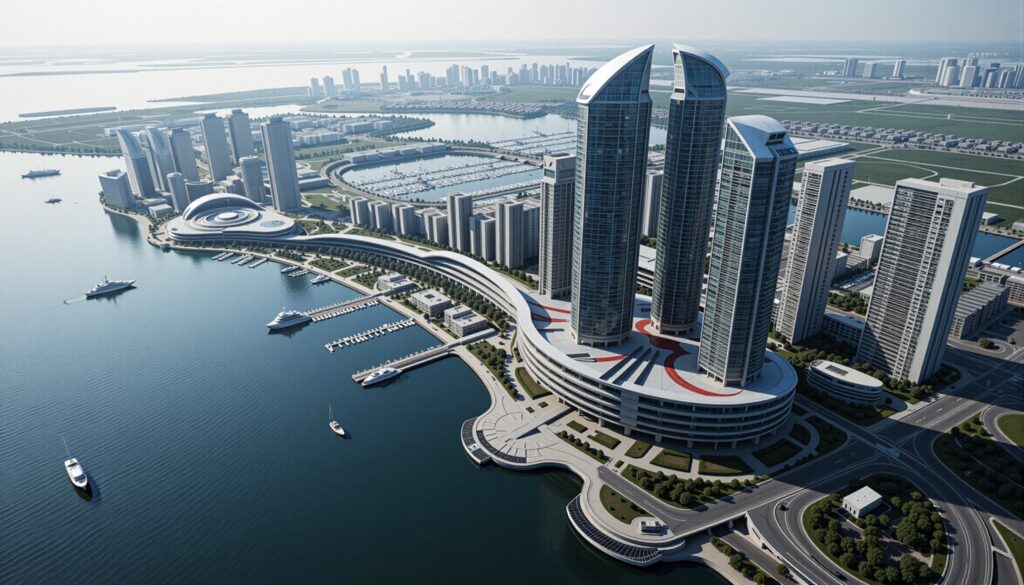
Aerial Integration combines actual aerial photographs with 3D rendered elements to create visualizations of architectural projects in their real environment. This technique helps architects and developers show how new buildings will fit into existing neighborhoods.
360 Renderings
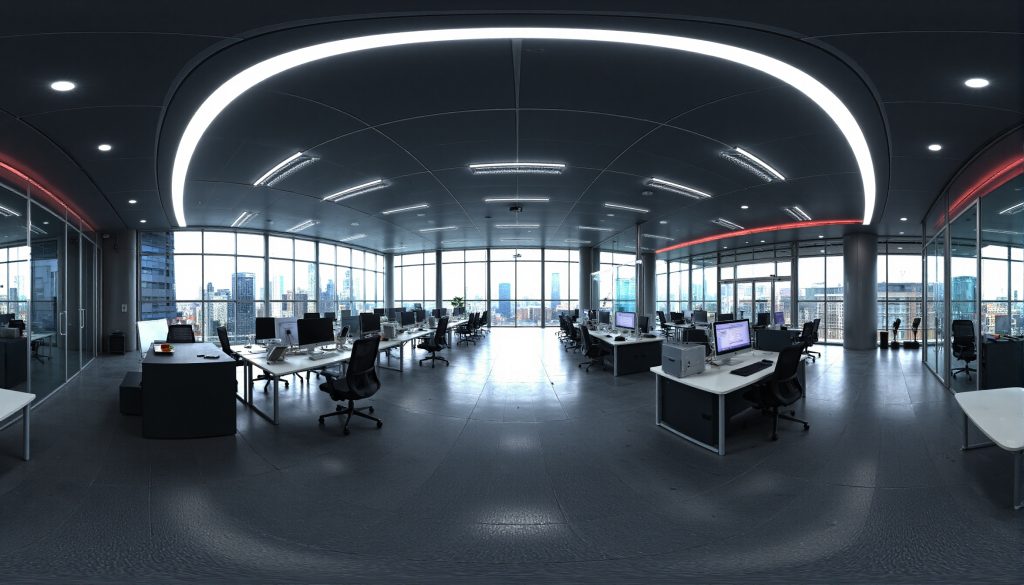
Computer-generated 360-degree panoramic images of architectural or design concepts. These renderings offer a complete view of proposed spaces or structures from a single vantage point.
360 Tour
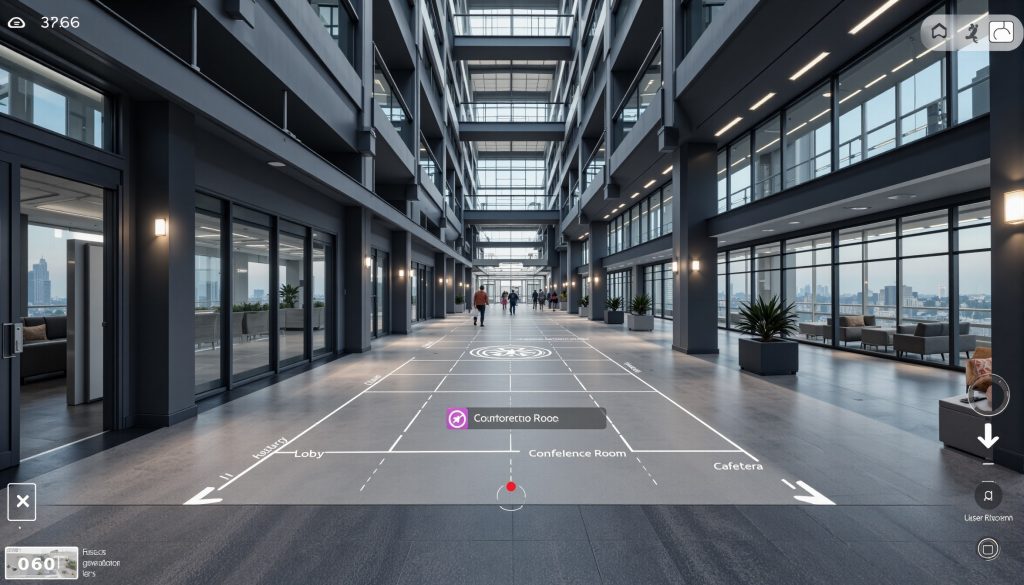
An interactive virtual experience that allows users to navigate through a series of connected 360-degree images or renderings. This technology enables remote exploration of spaces or properties.
3D Animation
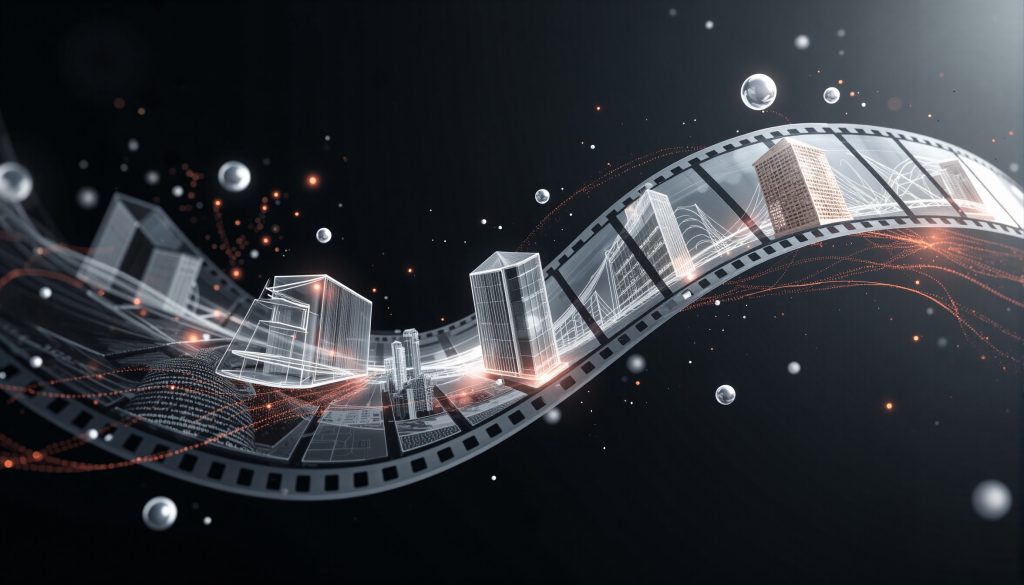
Moving visual content created using three-dimensional computer graphics. 3D animations can showcase architectural designs product features or complex processes in a dynamic and engaging manner.